
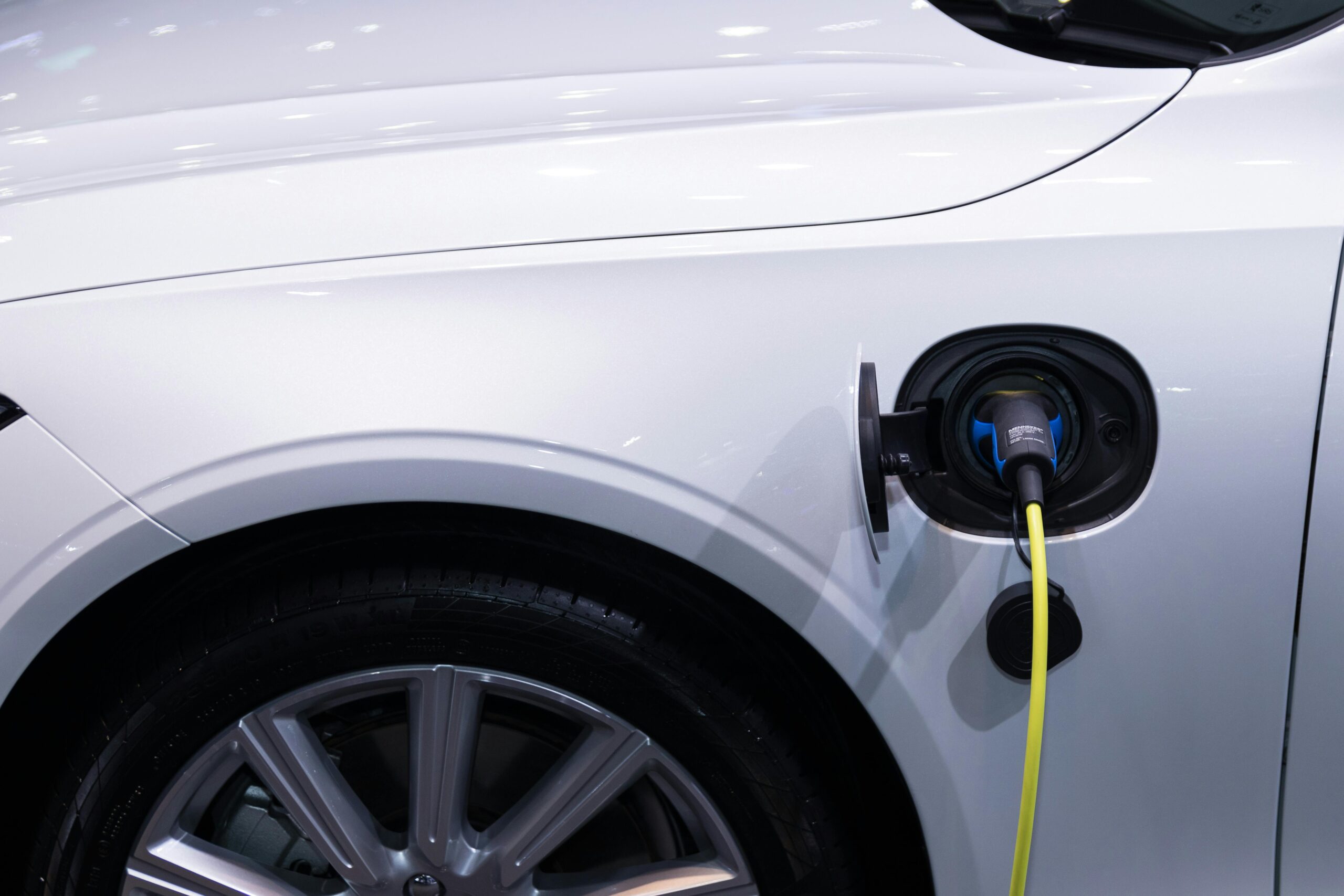
Electric vehicles are becoming the norm, and residents expect charging options at home. But installing chargers in a condo or apartment building isn’t as simple as hiring an electrician. In British Columbia, you need the right permits, a thorough load calculation and a long‑term plan to ensure your building’s electrical system can handle the extra demand. Cutting corners here isn’t just unsafe, it can expose strata councils to insurance issues and missed rebates. Here’s how to get it right.
Permits Aren’t Optional
A valid electrical installation permit confirms that the work complies with the BC Electrical Code and meets safety standards. Most EV rebate programs require permitted work by licensed contractors. n general, you’ll need an installation permit even if your building already has an operating permit. The only exception is when the EV project increases the system load by less than 12.5 kVA (for systems ≤250 kVA) or 36 kVA (for systems >250 kVA). If the total connected load pushes your building over 250 kVA, you may need to upgrade to an operating permit. A licensed contractor can advise which permits apply to your project.
Load Calculations: Don’t Guess
Before adding chargers, you need to know whether your electrical infrastructure can support the additional load. A certified Field Safety Representative (FSR) or professional engineer should:
1. Assess current loads—this includes all common‑area circuits and individual suites.
2. Follow Section 8 of the BC Electrical Code for load calculation methodology
3. Review 12 months of electricity usage data to account for seasonal peaks
These calculations help you avoid unexpected upgrades or overloaded conductors down the road
Hire the Right Contractor
Only licensed electrical contractors may legally install EV chargers in multi‑unit and commercial buildings. A reputable contractor will:
-Confirm the permit type (installation vs operating).
-Apply for the permit and ensure an FSR is named.
-Provide inspection documentation and close the permit properly.
Working with a pro ensures your installation meets code and qualifies for rebates.
Plan for the Long Term
If you intend to install multiple chargers now or in the future, don’t wing it. Develop an EV charging strategy that includes:
Assessing current electrical capacity and future demands (e.g., heat pumps).
Exploring EV energy management systems and load‑sharing technologies.
Integrating rebate programs from BC Hydro, FortisBC and CleanBC.
Early planning avoids costly retrofits later and ensures fair access for all residents